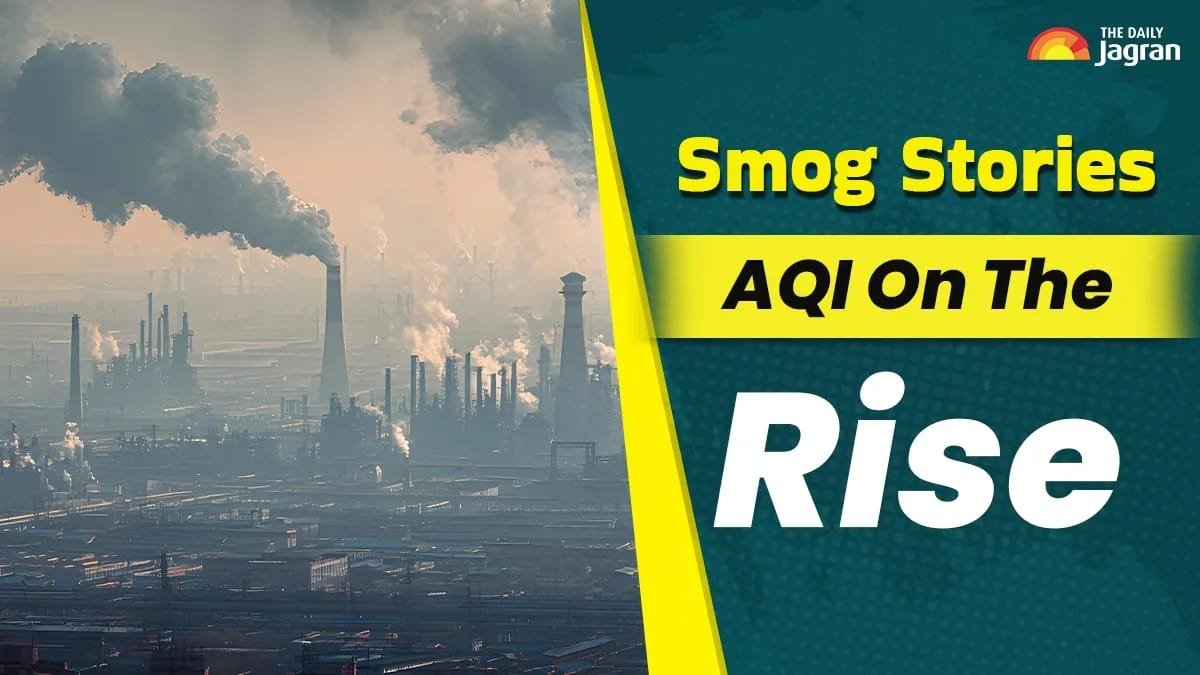



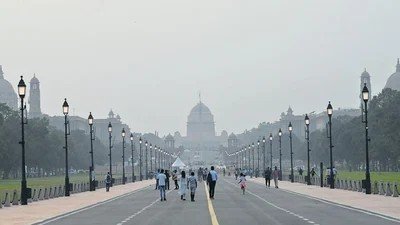
Delhi’s air quality continues to worsen ahead of Diwali, with the city recording ‘poor’ air for the fourth consecutive day this week. According to official data, Delhi’s overall Air Quality Index (AQI) was 242 on Friday morning, while on Thursday, the 24-hour average AQI was 245 — both falling under the ‘poor’ category.
Air Quality Worsening Again
Officials said that pollution levels have started to rise again as winter begins to set in. The calm winds and drop in temperature are trapping pollutants close to the ground. Experts added that the coming days are likely to see similar or even worse air quality as Diwali and stubble burning season approach.
Main Source of Pollution
The Decision Support System (DSS) reported that vehicle emissions are currently the biggest source of Delhi’s pollution, contributing 18.7% of the total pollution load on Thursday. Other factors include dust from construction, burning of crop residue in neighbouring states, and smoke from industrial activities.
Delhi Area-Wise AQI on Friday
Here’s how different parts of Delhi performed in terms of air quality on Friday morning:
Area AQI Today Category
Bawana 310 Very Poor
Akshardham 369 Very Poor
Narela 244 Poor
Anand Vihar 252 Poor
Nehru Nagar 268 Poor
JLN Stadium 230 Poor
CRRI Mathura Road 290 Poor
Okhla Phase 2 247 Poor
Lodhi Road 161 Moderate
Understanding the AQI Levels
According to the Central Pollution Control Board (CPCB), air quality is divided into six categories:
0–50: Good
51–100: Satisfactory
101–200: Moderate
201–300: Poor
301–400: Very Poor
401–500: Severe
Delhi’s current readings show that most areas fall in the ‘poor’ category, while some parts such as Akshardham and Bawana are already in the ‘very poor’ zone.
Winter and Stubble Burning Add to the Crisis
Every year, as winter approaches, Delhi’s air quality begins to decline. This is mainly due to stubble burning in neighbouring states like Punjab and Haryana, along with low wind speed that prevents pollutants from dispersing.
However, the city had experienced a long spell of clean air from June 11 to early October, thanks to frequent rains and monsoon winds that helped clear pollutants from the atmosphere.
Supreme Court Allows Green Crackers with Conditions
In a major decision ahead of Diwali, the Supreme Court has allowed the sale and use of green firecrackers in Delhi-NCR. However, this permission comes with strict conditions:
Green firecrackers can only be sold in designated shops.
They can be used only at specific times — from 6 am to 7 am and 8 pm to 10 pm — on the day before Diwali and on Diwali day.
The relaxation is being given only on a “test basis” for this year.
The Delhi government has announced that it will strictly enforce these rules. It is forming special patrol teams to monitor the sale and use of firecrackers and ensure compliance.
Officials have also held several meetings with green cracker manufacturers, traders, police, and the MCD to prepare an effective plan for the festive season.
Government Prepares Artificial Rain Plan
To fight post-Diwali pollution, the Delhi government is also preparing a plan for artificial rain if pollution levels worsen further. Officials said this will help settle dust and pollutants in the air.
Experts Urge Caution
Environmental experts have advised people to take precautions, especially children, elderly citizens, pregnant women, and those with asthma, chronic obstructive pulmonary disease (COPD), or heart problems, as they are most affected by poor air quality.
Doctors have also warned that exposure to high levels of pollution can cause breathing problems, eye irritation, coughing, fatigue, and worsen existing heart and lung diseases.
What Lies Ahead
With Diwali celebrations and stubble burning expected to intensify in the coming days, Delhi’s air quality is likely to worsen further unless strict measures are implemented and citizens cooperate by reducing personal pollution sources, such as unnecessary vehicle use or burning waste.